Ascension Island’s Mesophotic Ecosystems
Exploring the Deep: Uncovering Ascension Island’s Mesophotic Ecosystems
Beneath the clear blue waters of Ascension Island lies a vast and largely unexplored world. While the island’s shallow reefs are relatively well studied, the ecosystems beyond diver depths — known as the mesophotic zone (approximately 30–300 m) — remain one of the biggest knowledge gaps within the Marine Protected Area (MPA).
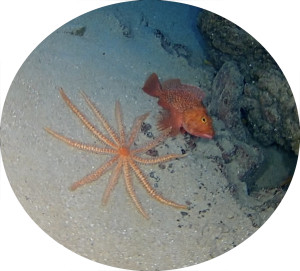
Covering more than 99% of the MPA, these deeper habitats are critical to understanding how Ascension’s marine ecosystem functions as a whole. Yet until recently, very little was known about the species, habitats, and ecological processes occurring at these depths.
Why the Mesophotic Zone Matters
Mesophotic ecosystems play a vital role in supporting marine life. They are thought to sustain important stages in the life cycles of fish species, including those important to local fisheries, and may act as refuges from environmental change.
There is also growing evidence that these deeper habitats may host coral communities and other organisms that contribute to carbon storage, making them important in the context of climate change mitigation. However, without detailed data on their distribution and composition, it has not been possible to quantify these benefits or assess their vulnerability.
Understanding these ecosystems is therefore essential for effective, evidence-based management of the MPA.
The Darwin Plus Mesophotic Project

To address this gap, the project “Building baseline knowledge of mesophotic ecosystems in Ascension Island MPA” (DPLUS213) is currently underway. Led by Plymouth Marine Laboratory in partnership with the Ascension Island Government, the project runs from 2024 to 2026 and focuses on collecting the first comprehensive dataset from these depths.
The project combines biological surveys, oceanographic data collection, and habitat mapping to build a clearer picture of the mesophotic environment. These data will be used to improve fisheries management, support assessments of carbon sequestration, and ensure that climate-driven changes can be incorporated into future management plans.
 How Are We Exploring the Deep
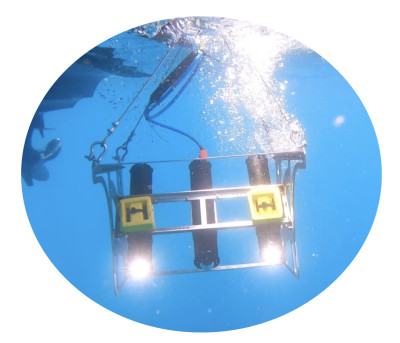
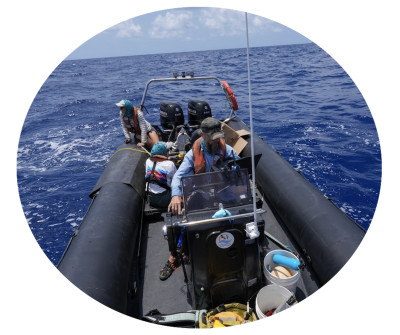
Studying the mesophotic zone presents significant logistical challenges, but advances in marine technology are making this work increasingly possible. Using drop-down and tethered camera systems deployed from small research vessels, teams are able to capture imagery of the seafloor and associated marine life at depths well beyond traditional scuba limits.
Initial surveys have already revealed diverse and previously undocumented habitats, including deep coral communities and complex reef structures. These early findings highlight just how much remains to be discovered beneath Ascension’s waters.
Building Local Capacity
A key component of the project is training and capacity building. Fieldwork has been carried out in close collaboration with the Ascension Island Government Conservation and Fisheries Directorate, with a strong focus on developing the skills and protocols needed for long-term, on-island monitoring.
By the end of the project, our teams will be fully equipped to continue mesophotic surveys independently, ensuring that data collection can continue well into the future.
Informing the Future of the MPA
The mesophotic project directly supports the priorities set out in the Ascension Island MPA Management Plan and Monitoring, Evaluation and Research Strategy, where deep-sea ecosystems have been identified as a critical research gap.
By filling this gap, the project will enable more robust, ecosystem-scale management of the MPA. It will also contribute to broader conservation goals, including biodiversity protection, sustainable fisheries, and climate resilience.
A New Frontier for Ascension
Now the project is in it’s final stages it has transformed our understanding of Ascension’s marine environment. Each deployment into deeper waters reveals new species, habitats, and insights into how the ecosystem functions.
As this work continues, the mesophotic zone is shifting from being one of the least understood parts of the MPA to one of the most exciting frontiers for discovery with future research planned to help us understand even more!
Check out our Mesophotic Zone Fact Sheets for some fun facts about our deep sea marine life!